Request Sent a Appointment
Acid Peptic Disorders, IBS & GERD
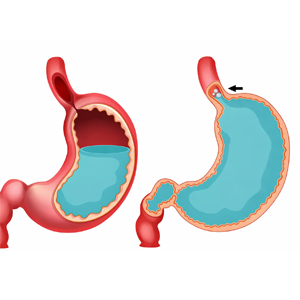
Acid Peptic Disorders, IBS & GERD
Acid peptic disorders, Irritable Bowel Syndrome (IBS), and Gastroesophageal Reflux Disease (GERD) are common digestive conditions that can significantly affect daily life. These conditions often present with symptoms like acidity, bloating, abdominal discomfort, and irregular bowel habits.
With proper diagnosis and personalized treatment, these conditions can be effectively managed. Early intervention helps prevent complications and improves overall digestive health and quality of life.
Common Symptoms
Symptoms may vary depending on the condition but commonly include:
Acidity and heartburn
Bloating and gas
Abdominal pain or discomfort
Regurgitation or sour taste in mouth
Constipation or diarrhea (IBS)
Nausea or indigestion
Difficulty swallowing (in GERD cases)
Loss of appetite
Diagnosis & Evaluation
Accurate diagnosis helps in targeted treatment:
Clinical Evaluation - Detailed symptom analysis and medical history
Endoscopy - To detect ulcers, inflammation, or reflux damage
pH Monitoring - Measures acid reflux severity
Ultrasound/Imaging - To rule out other abdominal issues
Lab Tests - For infection or inflammation detection
Treatment Options
Treatment is personalized based on condition and severity:
Medications - Antacids, proton pump inhibitors, and gut regulators
Dietary Modifications - Avoid trigger foods like spicy, oily, and acidic items
Lifestyle Changes - Weight management, stress reduction, and proper sleep
IBS Management - Fiber balance and gut-focused therapy
Regular Follow-up - Monitoring and preventing recurrence
Benefits of Treatment
Relief from acidity and discomfort
Improved digestion and gut health
Reduced frequency of symptoms
Better quality of life
Prevention of long-term complications
Why Choose Expert GI Care
With expert evaluation and advanced treatment strategies, acid-related disorders, IBS, and GERD can be effectively managed. Personalized care ensures long-term relief and improved digestive wellness.
