Request Sent a Appointment
GI Biopsy & Drainage Procedures
GI Biopsy & Drainage Procedures
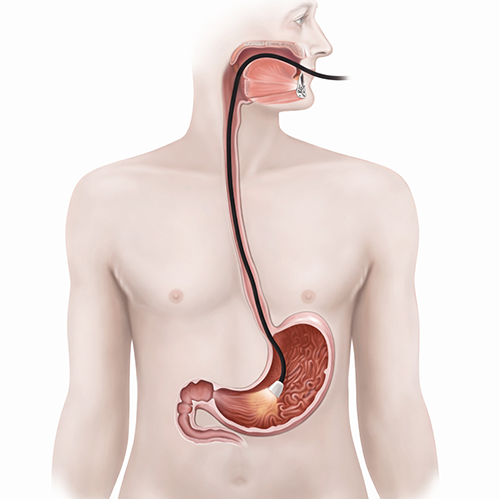
GI Biopsy and Drainage Procedures are advanced techniques used to diagnose and treat various gastrointestinal conditions. These minimally invasive procedures help obtain tissue samples and manage fluid collections within the digestive system.
With the use of endoscopy and ultrasound guidance, these procedures ensure precise diagnosis and effective treatment while minimizing patient discomfort and recovery time.
What is a GI Biopsy?
A GI biopsy involves collecting small tissue samples for laboratory analysis:
Helps diagnose infections, inflammation, and cancers
Performed during endoscopy or colonoscopy
Painless and quick procedure
Samples sent for histopathological examination
Essential for accurate diagnosis and treatment planning
What are Drainage Procedures?
Drainage procedures are used to remove abnormal fluid collections:
Drainage of abscesses or infected fluid
Management of pancreatic fluid collections
EUS-guided drainage techniques
Placement of stents for continuous drainage
Reduces infection and relieves symptoms
When Are These Procedures Recommended?
GI biopsy and drainage are advised in the following conditions:
Suspicious growths or tumors
Chronic inflammation or ulcers
Unexplained abdominal symptoms
Pancreatic cysts or abscesses
Infections within GI tract
Fluid accumulation in abdomen
Benefits of These Procedures
Accurate diagnosis of GI conditions
Minimally invasive with quick recovery
Early detection of serious diseases
Effective management of infections and fluid collections
Reduced need for major surgery
Why Choose Expert GI Care
GI biopsy and drainage procedures require precision and expertise. With advanced endoscopic and ultrasound-guided techniques, patients receive accurate diagnosis and effective treatment with maximum safety and comfort.
