Request Sent a Appointment
Upper & Lower GI Endoscopy
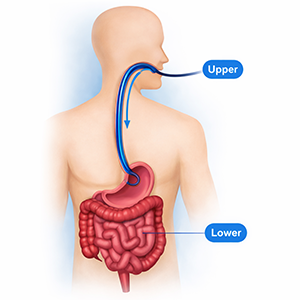
Upper & Lower GI Endoscopy
Upper and Lower GI Endoscopy are advanced diagnostic procedures used to examine the digestive tract. These minimally invasive techniques help doctors identify conditions affecting the esophagus, stomach, small intestine, colon, and rectum.
Upper GI Endoscopy (Gastroscopy) examines the upper digestive system, while Lower GI Endoscopy (Colonoscopy) focuses on the large intestine. These procedures are safe, accurate, and essential for early detection and treatment of gastrointestinal disorders.
Common Conditions Diagnosed
GI Endoscopy helps diagnose a wide range of digestive problems, including:
Acidity, GERD, and heartburn
Stomach ulcers
Gastritis and infections
Polyps in colon or rectum
IBD (Crohn’s disease, Ulcerative colitis)
Bleeding in digestive tract
Difficulty swallowing
Early detection of GI cancers
Types of Endoscopy Procedures
Depending on symptoms, different procedures may be recommended:
Upper GI Endoscopy (Gastroscopy) - Examines esophagus, stomach, and upper intestine.
Colonoscopy - Evaluates colon and rectum for polyps, inflammation, or cancer.
Sigmoidoscopy - Focuses on lower part of the colon.
Biopsy - Small tissue samples may be taken for further analysis.
Therapeutic Endoscopy - Used for removing polyps or controlling bleeding.
Benefits of GI Endoscopy
Accurate and early diagnosis
Minimally invasive and quick procedure
Helps detect cancer at early stages
Allows immediate treatment during procedure
Safe with minimal discomfort
Preparation & Care Tips
Proper preparation ensures accurate results and smooth procedure:
Follow fasting instructions before procedure
Inform doctor about medications
Complete bowel preparation (for colonoscopy)
Avoid heavy meals before test
Arrange someone to accompany if sedation is used
Why Choose Expert GI Care
With advanced endoscopic technology and expert care, GI endoscopy ensures precise diagnosis and effective treatment. Early detection of digestive disorders improves outcomes and helps maintain overall gastrointestinal health.
