Request Sent a Appointment
Polypectomy & Capsule Endoscopy
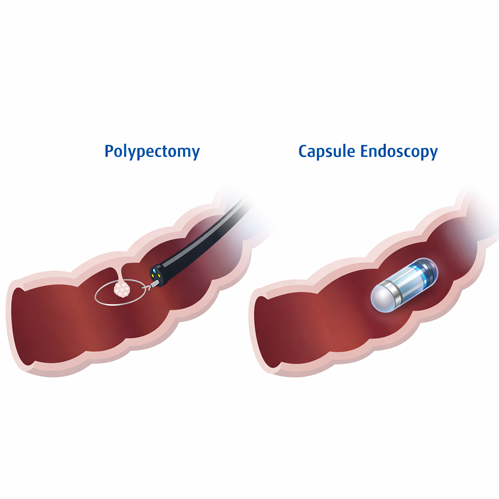
Polypectomy & Capsule Endoscopy
Polypectomy and Capsule Endoscopy are advanced gastrointestinal procedures used for both diagnosis and treatment of digestive tract conditions. These techniques help detect abnormalities early and prevent serious complications like cancer.
Polypectomy involves the removal of abnormal tissue growths (polyps), while Capsule Endoscopy allows visualization of the small intestine using a tiny camera capsule. Both procedures are safe, minimally invasive, and highly effective.
What is Polypectomy?
Polypectomy is a procedure performed during endoscopy or colonoscopy to remove polyps from the digestive tract:
Removes abnormal growths (polyps)
Helps prevent colorectal cancer
Performed using specialized instruments
Usually painless and minimally invasive
Polyps are sent for biopsy if needed
What is Capsule Endoscopy?
Capsule Endoscopy is a modern diagnostic technique used to examine the small intestine:
Patient swallows a small camera capsule
Captures thousands of images inside the digestive tract
Non-invasive and painless procedure
Useful for detecting bleeding, tumors, or inflammation
Especially helpful for small intestine evaluation
When Are These Procedures Recommended?
These procedures may be advised in the following conditions:
Unexplained GI bleeding
Detection of polyps or tumors
Chronic abdominal pain
Suspected Crohn’s disease
Iron deficiency anemia
Abnormal findings in imaging tests
Benefits of These Procedures
Early detection of serious conditions
Prevention of colorectal cancer
Minimally invasive with quick recovery
Accurate diagnosis of small intestine disorders
Safe and patient-friendly procedures
Why Choose Expert GI Care
With advanced endoscopic technology and expert care, procedures like polypectomy and capsule endoscopy provide precise diagnosis and effective treatment. Early intervention ensures better outcomes and long-term digestive health.
