Request Sent a Appointment
GI Oncology & Early Detection
GI Oncology & Early Detection
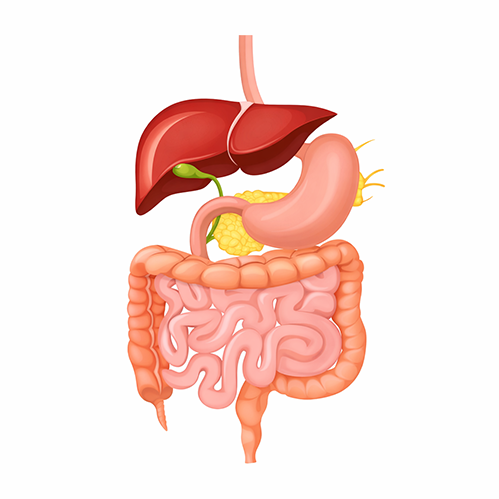
Gastrointestinal (GI) oncology focuses on the diagnosis and management of cancers affecting the digestive system, including the esophagus, stomach, intestines, liver, pancreas, and colon. Early detection plays a crucial role in improving treatment outcomes and survival rates.
With advanced screening techniques and endoscopic evaluation, many GI cancers can be identified at an early stage. Timely intervention allows for effective treatment and better long-term prognosis.
Common GI Cancers
GI oncology includes a range of cancers affecting the digestive tract:
Esophageal cancer
Stomach (gastric) cancer
Colorectal cancer
Liver cancer
Pancreatic cancer
Small intestine tumors
Bile duct cancer
Warning Signs & Symptoms
Early symptoms may be subtle but should not be ignored:
Unexplained weight loss
Persistent abdominal pain
Blood in stool or black stools
Difficulty swallowing
Chronic indigestion or acidity
Loss of appetite
Persistent fatigue
Changes in bowel habits
Screening & Diagnosis
Early detection is achieved through advanced diagnostic methods:
Endoscopy & Colonoscopy - Detect abnormal growths and early cancers
Biopsy - Confirms diagnosis through tissue analysis
Imaging (CT/MRI/PET) - Evaluate spread and staging
Blood Tests & Tumor Markers - Support diagnosis and monitoring
Capsule Endoscopy - For small intestine evaluation
Treatment Approach
Treatment depends on cancer type and stage:
Endoscopic Removal - Early-stage lesions treated minimally invasively
Surgery - Removal of tumors when required
Chemotherapy - Drug therapy to control cancer growth
Radiation Therapy - Targeted cancer treatment
Targeted & Immunotherapy - Advanced personalized treatments
Benefits of Early Detection
Higher chances of cure
Less invasive treatment options
Reduced treatment complications
Better survival rates
Improved quality of life
Why Choose Expert GI Oncology Care
Early detection and expert management are key in GI oncology. With advanced screening tools, endoscopic expertise, and a multidisciplinary approach, patients receive accurate diagnosis and effective treatment for better outcomes and long-term health.
