Request Sent a Appointment
GI Bleeding Management
GI Bleeding Management
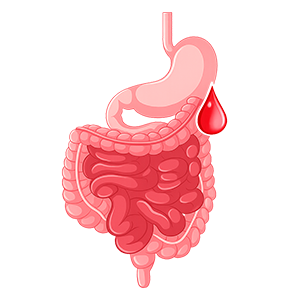
Gastrointestinal (GI) bleeding is a serious condition that can occur anywhere in the digestive tract, from the esophagus to the rectum. It may present as vomiting blood, black stools, or fresh blood in stool and requires immediate medical attention.
With advanced endoscopic techniques and timely intervention, most causes of GI bleeding can be effectively diagnosed and treated, reducing complications and ensuring patient safety.
Common Causes of GI Bleeding
GI bleeding may arise due to various conditions, including:
Peptic ulcers
Gastritis or stomach inflammation
Esophageal varices
Colon polyps or cancer
Inflammatory bowel disease (IBD)
Hemorrhoids or anal fissures
Diverticulosis
Use of certain medications (NSAIDs, blood thinners)
Signs & Symptoms
Symptoms can vary depending on the location and severity:
Vomiting blood (hematemesis)
Black, tarry stools (melena)
Fresh blood in stool (hematochezia)
Weakness and dizziness
Low blood pressure
Anemia
Abdominal pain
Fatigue
Diagnosis & Evaluation
Prompt evaluation is essential to identify the source of bleeding:
Endoscopy - Direct visualization and treatment of upper GI bleeding
Colonoscopy - Evaluation of lower GI tract
Blood Tests - Check hemoglobin and clotting status
CT Scan/Imaging - Identify internal bleeding sources
Capsule Endoscopy - For small intestine evaluation
Treatment Options
Treatment depends on cause and severity:
Endoscopic Therapy - Clipping, cauterization, or injection to stop bleeding
Medications - Acid suppression, antibiotics, or clotting agents
Fluid & Blood Transfusion - Stabilization in severe cases
Radiological Intervention - Angiography for bleeding control
Surgery - Required in rare or critical cases
Benefits of Timely Management
Prevents life-threatening complications
Quick identification of bleeding source
Minimally invasive treatment options
Faster recovery and stabilization
Improved overall patient outcomes
Why Choose Expert GI Care
GI bleeding requires urgent and specialized care. With advanced endoscopic facilities and expert management, patients receive accurate diagnosis, immediate treatment, and comprehensive follow-up care to ensure safety and recovery.
