Request Sent a Appointment
GI Motility Disorder Treatment
GI Motility Disorder Treatment
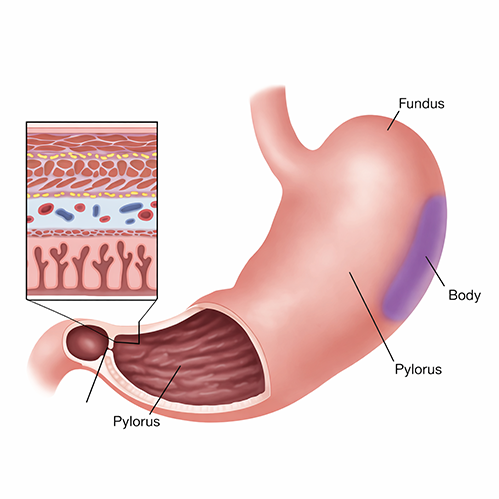
Gastrointestinal (GI) motility disorders occur when the movement of food through the digestive tract is abnormal or impaired. These conditions can affect the esophagus, stomach, small intestine, or colon, leading to discomfort and digestive issues.
With advanced diagnostic techniques and targeted treatments, GI motility disorders can be effectively managed, improving digestion and overall quality of life.
Common GI Motility Disorders
Several conditions are related to abnormal GI motility:
Gastroparesis (delayed stomach emptying)
Achalasia (difficulty swallowing)
Chronic constipation
Irritable Bowel Syndrome (IBS)
Functional dyspepsia
Intestinal pseudo-obstruction
Symptoms of Motility Disorders
Symptoms vary depending on the affected area:
Difficulty swallowing
Bloating and abdominal discomfort
Nausea and vomiting
Early satiety (feeling full quickly)
Chronic constipation or diarrhea
Acid reflux or heartburn
Diagnosis & Evaluation
Specialized tests are used to assess GI motility:
Manometry - Measures muscle contractions in GI tract
Gastric Emptying Study - Evaluates stomach emptying
Endoscopy - Rules out structural abnormalities
Imaging Tests - CT scan or X-ray studies
pH Monitoring - Assesses acid reflux
Treatment Options
Treatment is personalized based on the specific disorder:
Medications - Prokinetics, laxatives, and acid reducers
Dietary Modifications - Fiber balance and meal adjustments
Lifestyle Changes - Stress control and regular exercise
Endoscopic Therapy - For specific conditions like achalasia
Surgical Intervention - In severe or resistant cases
Benefits of Treatment
Improved digestion and comfort
Relief from chronic symptoms
Better nutritional absorption
Enhanced quality of life
Prevention of complications
Why Choose Expert GI Care
GI motility disorders require specialized evaluation and long-term management. With advanced diagnostics and personalized care plans, patients receive effective treatment that improves digestive function and overall well-being.
